
The Ultimate Wedding Day Photography Schedule for Luxury Celebrations in 2026
A luxury wedding day photography schedule isn't just a list of times; it's a strategic production plan that balances high-stakes rituals with cinematic artistry. You likely feel the pressure of coordinating multiple vendors while worrying that a single delay might cost you those sunset portraits or a key cultural ceremony. It's normal to feel anxious about the lighting for evening events or whether your team can capture the vibrant traditions of a South Asian celebration without feeling rushed. Every couple deserves a day where the logistics feel invisible so the emotions can remain front and center.
We understand that you want a stress-free flow that prioritizes both genuine moments and editorial-style memories. This guide will help you master your wedding day flow with a professional photography schedule designed to capture every ritual and candid detail with ease. You'll learn how to integrate 2026's most sought-after trends, including the 41 percent rise in hybrid photo and film bookings reported on May 12, 2026. We will also preview how to balance intentional, high-effort directing with the natural, documentary storytelling that makes your celebration unique. From morning preparations to the final grand exit, here is how to structure your day for perfection.
Key Takeaways
Learn how to treat your wedding day photography schedule as a strategic production plan that synchronizes lighting and rituals for a cinematic outcome.
Discover why 60-minute detail sessions and 30-minute buffers are essential for capturing high-end bridal attire and family heirlooms without stress.
Plan for complex cultural traditions like the Baraat and Milni with dedicated time blocks that respect heritage while allowing for editorial-style portraits.
Optimize your evening gala by scheduling "room reveals" and coordinated lighting setups for grand entrances and first dances.
Understand the advantage of a single, unified cinematography and photography team for streamlined communication and a cohesive multi-day visual story.
Table of Contents
Beyond the Clock: Why Your Wedding Day Photography Schedule is a Production Plan
Mastering the Morning: Scheduling for Luxury Details and Getting Ready
Rituals, Traditions, and Portraits: Structuring the Ceremony Timeline
The Evening Gala: Scheduling for Speeches, Grand Entrances, and Cinematic Highlights
Designing Your Custom Multi-Day Schedule with Maiyan Studios
Beyond the Clock: Why Your Wedding Day Photography Schedule is a Production Plan
A professional wedding day photography schedule is far more than a simple sequence of events. It's a comprehensive production plan that serves as a blueprint for your entire creative team. In the world of high-end celebrations, we don't just "capture what happens" as passive observers. Instead, we take an active role in directing a cinematic masterpiece. This approach requires precise synchronization between lighting, cultural rituals, and an overarching artistic vision. While a standard timeline might tell you when to walk down the aisle, a production plan ensures the light is hitting your veil at the perfect angle when you do.
The "Buffer Rule" is the most overlooked element of a successful timeline. We recommend building 15-minute transition windows between every major segment of the day. These aren't just empty gaps; they are essential safety nets for your peace of mind. If a family member is late for portraits or a ceremony ritual takes longer than expected, these buffers absorb the delay. They prevent a domino effect that could otherwise cut into your reception time. This strategy ensures you move through your day with a sense of calm rather than a feeling of being rushed from one spot to the next.
The Role of Lighting in Your Schedule
Lighting is the foundation of high-end imagery. For your editorial portraits, we prioritize the "Golden Hour," that specific window of soft, warm light just before the sun sets. However, indoor settings require a different level of technical planning. Setting up professional lighting for a ballroom grand entrance or a traditional ceremony can take 30 to 45 minutes of dedicated time. If you're planning a destination wedding, we analyze the sun's specific trajectory at your venue months in advance. This allows us to document wedding traditions and customs with the same clarity and depth as an outdoor session, regardless of the environment.
Cinematography vs. Photography Time Requirements
A common mistake is treating photography and cinematography as a single entity on the schedule. They have distinct needs. Photography captures "stills," focusing on composition and frozen moments. Cinematography requires "action," meaning the team needs movement and multiple angles to build a compelling narrative. This often requires extra setup time for audio logistics. Mic-ing the groom and officiant is a delicate process that we handle 20 minutes before the ceremony to avoid any delays.
Additionally, luxury cinematography often includes drone coverage. We factor in specific windows for aerial shots, checking weather patterns and local airspace clearances to ensure we get those sweeping views of your venue safely. By treating these as parallel productions rather than a single task, we ensure both your gallery and your film are of the highest caliber. This level of coordination is what separates a standard wedding video from a true cinematic story.
Mastering the Morning: Scheduling for Luxury Details and Getting Ready
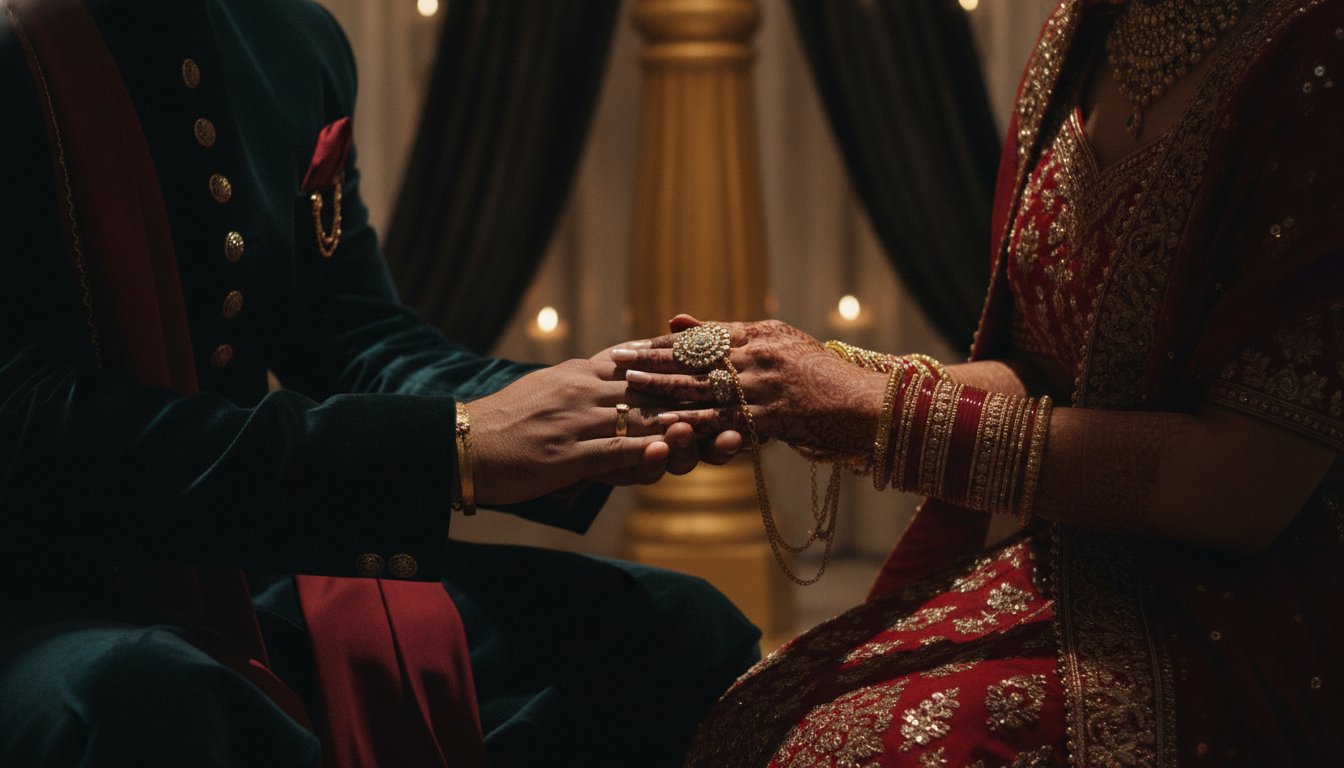
The morning hours serve as the foundation for your entire visual narrative. While generic resources like The Ultimate Wedding Photography Timeline provide a baseline, luxury celebrations require a more nuanced approach. A professional wedding day photography schedule must account for the intricate details that define high-end events. We begin with a dedicated 60-minute "Flat Lay" session. This window allows our team to artfully arrange your invitations, heirlooms, and jewelry before the day's pace accelerates. For South Asian brides, this hour is essential. Capturing the heavy embroidery of a Lehenga, the delicate artistry of Henna, and the weight of traditional jewelry requires intentional styling that cannot be rushed.
Groom preparation follows, typically requiring 30 to 45 minutes. This segment isn't just about the final adjustments of a tuxedo or Sherwani; it's about capturing the quiet, cinematic interactions between the groom and his family. For the bride, the most critical scheduling tip is to have hair and makeup 100 percent completed 30 minutes before the photography team arrives. This buffer ensures you're ready for the "dressing" moment without the stress of lingering touch-ups. Once you're fully styled, we prioritize solo portraits. These "First Reveal" shots capture your look in its most pristine state, providing editorial-quality images before you transition into a first look or pre-ceremony rituals.
The Art of the Flat Lay and Detail Shots
Efficiency in detail photography comes from preparation. We ask our couples to gather all luxury items, including shoes, perfume, and rings, in a single location the night before. To elevate these shots, we recommend having your florist deliver a small kit of loose, fresh blooms and greenery. These "styling bits" allow us to create cohesive, fine-art compositions that match your wedding's aesthetic. If you're planning a destination wedding, we often move these sessions to a balcony or terrace to leverage the local natural light, ensuring your details look as vibrant as the setting itself.
Managing the 'Getting Ready' Room
A cluttered suite is the primary enemy of cinematic backgrounds. To keep the environment professional, designate a specific area for bags, garment covers, and food trays away from the windows where we'll be shooting. When the "dressing" moment arrives, limit the room to only the essential people, such as parents or a maid of honor. This creates a calm, intimate space for emotional exchanges, like a mother helping with a veil or a father seeing his daughter for the first time. These authentic moments are best captured when the room feels like a sanctuary rather than a crowded hallway. If you want to ensure your morning flow is handled with this level of care, consulting with a luxury specialist during the planning phase is a vital step.

Rituals, Traditions, and Portraits: Structuring the Ceremony Timeline
Luxury ceremonies, particularly South Asian celebrations, demand a level of logistical precision that standard timelines simply cannot accommodate. While generic guides might suggest a 30-minute slot, a comprehensive wedding day photography schedule must account for the vibrant and complex rituals that precede and define the marriage. For a Hindu Vivaha or a Sikh Anand Karaj, we typically allocate a 1.5 to 2-hour window. This ensures every ritual is captured with cinematic depth without making the couple or their families feel rushed through these sacred moments.
The energy begins with the Baraat. This 30-minute high-energy procession requires a minimum of two cinematographers to execute properly. One professional focuses on the groom's arrival and the dancing party; the second captures the bride's family as they prepare for the Milni. This greeting of the families is a pivotal emotional exchange that needs its own dedicated time block to ensure no handshake or hug is missed. Following the ceremony, we insist on a "Post-Ceremony Escape." This is a 20-minute window where the couple can retreat to a private suite to reset, hydrate, and simply soak in the moment before portraits begin.
Scheduling the Baraat and Grand Entry
Coordinating the Baraat is a feat of timing and positioning. We synchronize the groom's arrival with our team's placement to ensure we capture the scale of the procession against the venue's architecture. It's vital to manage the transition from the exuberant noise of the Baraat to the solemnity of the ceremony space. This requires a 10-minute "buffer" for guests to find their seats, allowing our team to reset their gear and lighting for the grand entry. This transition ensures the shift in mood is reflected perfectly in your final film.
Formals and Family Portraits: The Efficiency Framework
Family portraits can easily derail a timeline if they aren't managed with a strict efficiency framework. We utilize the "Largest-to-Smallest" rule, where we start with the largest extended family groups and gradually whittle them down. This strategy allows the most people to head to the cocktail hour as quickly as possible. We recommend that wedding cinematography teams work in tandem with photographers during this block. While the photographer captures the structured stills, the video team documents the candid laughter and interactions between family members. By providing us with a "Must-Have" list of no more than 10 to 15 specific groupings, we can consistently keep this segment under 45 minutes.
The Evening Gala: Scheduling for Speeches, Grand Entrances, and Cinematic Highlights
The transition to the evening requires a shift in production focus. A professional wedding day photography schedule should include a 15-minute "Room Reveal." This is a sacred window where the ballroom is empty of guests, allowing the team to capture the floral architecture, table settings, and lighting design in their pristine state. Once guests enter, these details are obscured by coats, drinks, and movement. This time is also when we finalize lighting for the grand entrance. High-end cinematography relies on controlled light; we often coordinate with your decor team to ensure the spotlighting doesn't wash out the cinematic depth of your first dance.
Timing the reception events is a delicate balance between guest experience and production quality. We recommend a strict five-minute limit for speeches. Short, impactful toasts keep guest engagement high and provide a better visual flow for your final film. Long, rambling speeches often lead to guests checking their phones, which isn't the background you want for your memories. Later in the night, the cake cutting and "Same Day Edit" reveal should be positioned to act as a bridge between dinner and the dance floor opening. This ensures everyone is present and attentive for the highlight of the evening, creating a high-energy transition into the party.
Golden Hour and Sunset Portraits
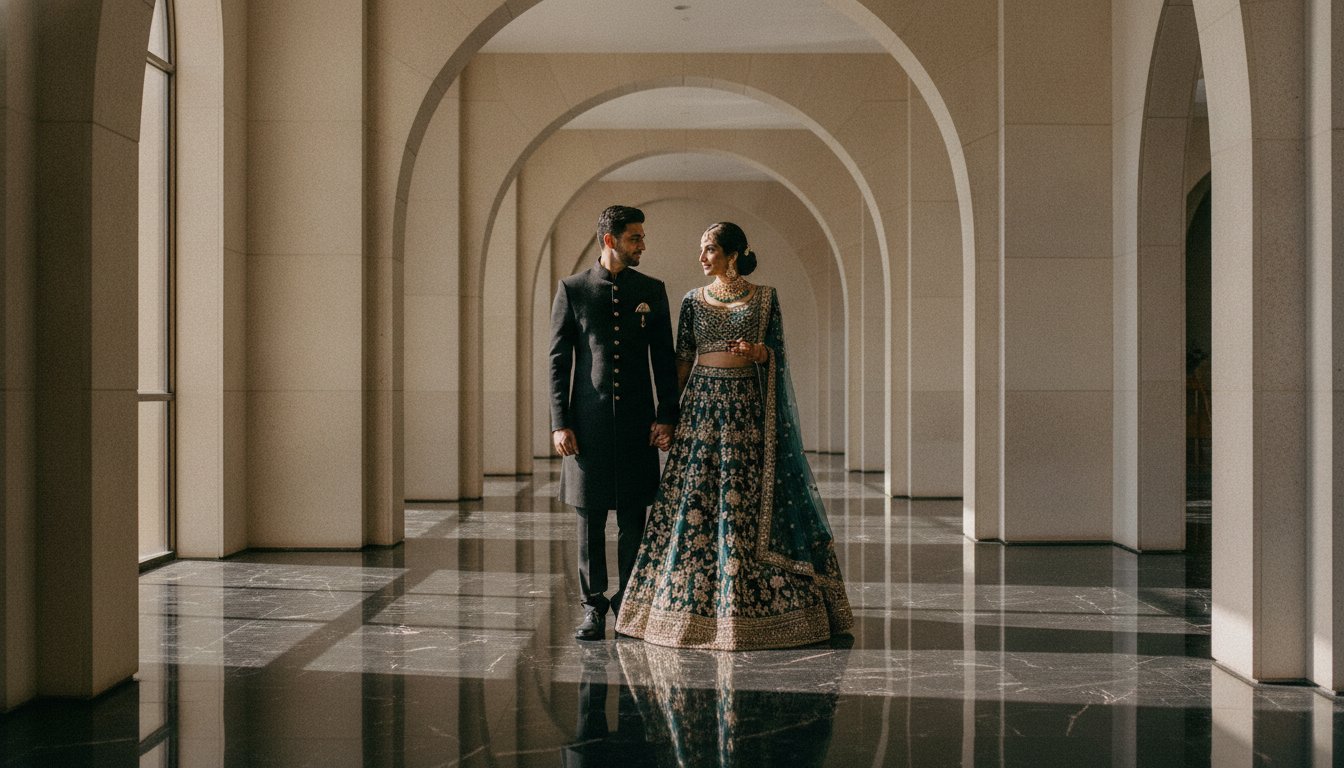
The best natural light often occurs during the salad course. We'll typically "steal" the couple for 15 minutes to capture high-end editorial shots. This brief exit provides a visual contrast to the indoor ballroom images and gives you a moment of quiet together. For destination weddings with epic landscapes, we also plan for the "Blue Hour." This period just after sunset offers a cool, ethereal glow that looks stunning in both photography and cinematography. It's a quick session that yields some of the most dramatic images of the entire weekend without disrupting the meal service.
Reception Logistics: Sound and Motion
Audio is just as important as the visuals during the gala. We coordinate directly with your DJ or band to secure a high-quality feed for the speeches. This prevents the "hollow" sound often found in amateur videos. For high-energy segments like the Jago or traditional dance performances, our cinematographers need a dedicated "safe zone." This is a pre-planned area where they can operate cranes or gimbals without being bumped by guests. Having this space mapped out in the wedding day photography schedule ensures we capture the motion and scale of the party safely. If you're ready to see how these technical details come together for your own event, reach out to Maiyan Studios to start planning your production.
Designing Your Custom Multi-Day Schedule with Maiyan Studios
Maiyan Studios begins the planning process long before the first shutter click. We initiate a deep-dive consultation three months before your event to refine your wedding day photography schedule. This isn't a generic template; it's a bespoke production plan tailored to your specific venue and cultural requirements. One of the most significant advantages we offer is a unified team. When you hire a single studio for both wedding cinematography and photography, you eliminate the friction of two different teams competing for the same space and light. We move as one unit, sharing a single vision and a synchronized timeline that respects your time and your guests.
For South Asian celebrations, the schedule often spans several days. We manage the logistics of the Mehndi and Sangeet with the same precision as the main ceremony, ensuring a consistent visual style across the entire weekend. If you're hosting a destination wedding, our team factors in two additional days for travel and site scouting. We visit the venue ahead of time to identify the best light at different hours. This ensures that when the event begins, every shot is already pre-visualized and the technical setup is seamless.
The Multi-Day Advantage
Managing a three-day schedule from the Sangeet to the final Reception requires a high level of organizational expertise. Consistency is the primary benefit of this approach. When the same lead creatives document every event, your final wedding film and photo gallery feel like a single, cohesive story rather than a collection of disjointed clips. We also frequently recommend scheduling a pre-wedding or "Day After" shoot. This allows us to capture high-fashion, editorial portraits in a relaxed environment; it significantly reduces the pressure on your actual wedding day.
Next Steps: Your Personalized Production Plan
Every luxury celebration is unique, and your timeline should reflect that. We encourage couples to request a sample timeline based on their specific venue to see how we balance rituals with cinematic storytelling. The final step in our process is a site walk-through with your lead creative, where we finalize every detail of your wedding day photography schedule. This ensures that on the morning of your wedding, you can simply exist in the moment while we handle the production. Contact Maiyan Studios today to begin designing a bespoke luxury experience that captures your legacy with artistry and ease.
Transform Your Vision Into a Cinematic Legacy
Your wedding is a production that deserves more than a standard checklist. By treating your wedding day photography schedule as a strategic blueprint, you ensure every intricate ritual and emotional exchange is documented with artistic precision. You've learned how to protect your time with buffer windows, coordinate lighting for evening galas, and leverage the power of a unified creative team. These steps move you away from the stress of logistics and toward the joy of the moment.
As specialists in luxury South Asian weddings with worldwide destination experience, we understand the complexity of your celebration. Our award-winning cinematography team is ready to help you navigate every detail of your multi-day event with ease and professionalism. Your story is unique; it deserves to be captured with the excellence that only a dedicated production plan can provide.
Book Your Luxury Wedding Consultation with Maiyan Studios to start designing your personalized production plan. We look forward to making your dream celebration a timeless reality.
Frequently Asked Questions
How much time should we allow for family portraits?
Allocate 30 to 45 minutes for family portraits, provided you have a clear "Must-Have" list prepared in advance. This timeframe works most efficiently when you organize groups from largest to smallest, which allows extended family and elderly guests to join the cocktail hour early. Having a designated family member or coordinator to help gather specific relatives is essential for keeping the day moving on schedule.
Do we really need a 'First Look' for our photography schedule?
A "First Look" isn't mandatory, but it's highly recommended for ceremonies starting late in the afternoon or evening. It allows you to complete couple and bridal party portraits while the natural light is at its peak before guests arrive. If you choose to skip this, ensure your wedding day photography schedule includes at least 90 minutes between the ceremony and reception to capture these essential memories without feeling rushed.
What happens to the schedule if the ceremony runs late?
The built-in 15-minute buffer windows are specifically designed to absorb ceremony delays without compromising your reception experience. If things run significantly late, we prioritize the "Must-Have" portraits and may move some creative sessions to the reception's meal service. Clear communication between your planner and the photo team ensures we adjust the flow in real-time without causing visible stress or missing key moments.
How much time does a cinematographer need for setup?
Cinematographers require 30 to 45 minutes of dedicated setup time before any major ritual or ceremony begins. This window allows them to place microphones, sync multiple camera angles, and test lighting conditions within the venue. For luxury productions involving specialized equipment like cranes or gimbals, this time is vital to ensure every piece of gear is balanced and ready for high-energy movement.
Should we schedule a sunset photo session during the reception?
Scheduling a 15-minute sunset session during the reception's salad or main course is a standard practice for luxury celebrations. This brief exit takes advantage of the "Golden Hour" light, which provides a distinct, editorial contrast to the indoor ballroom images. It's a quick session that yields some of the most dramatic shots of the day without making you miss any significant reception highlights or speeches.
How do we coordinate a multi-day South Asian wedding timeline?
Coordinating a multi-day South Asian timeline requires a master production plan that accounts for the unique energy and rituals of each event. We recommend a consultation three months prior to synchronize the Sangeet, Mehndi, and Ceremony needs effectively. This ensures your wedding day photography schedule aligns with the specific traditions of each day while maintaining a consistent visual narrative across the entire multi-day celebration.
What is the best time to start getting ready for a morning ceremony?
For a morning ceremony, hair and makeup should typically begin four to five hours before the scheduled start time. You should aim to have all styling completed at least 30 minutes before the photography team arrives for the day. This allows for a calm "dressing" moment and ensures we can capture high-quality solo portraits and bridal details before the ceremony rituals commence.
How do we factor in travel time between different wedding venues?
Factor in the actual driving time plus a 20 percent buffer for traffic and group logistics. If you're moving a large bridal party between a hotel, ceremony site, and reception venue, loading vehicles and gathering personal items often takes longer than expected. We always account for these transitions in the production plan to ensure no valuable photography time is lost to simple travel delays.
Comments